

Ballet in Saint Petersburg
Ballet in Saint Petersburg: the Mariinsky and Mikhailovsky stages, the Eifman company and Yakobson troupe. Classical repertoire by Tchaikovsky and Minkus, neoclassical work, ballet on ice. Book main productions 2–3 weeks ahead.
Найдено: 46 спектаклей
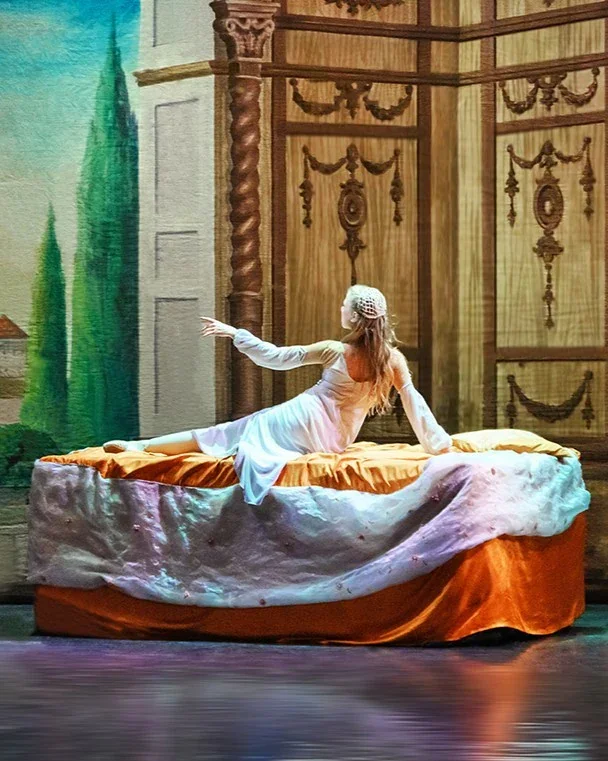
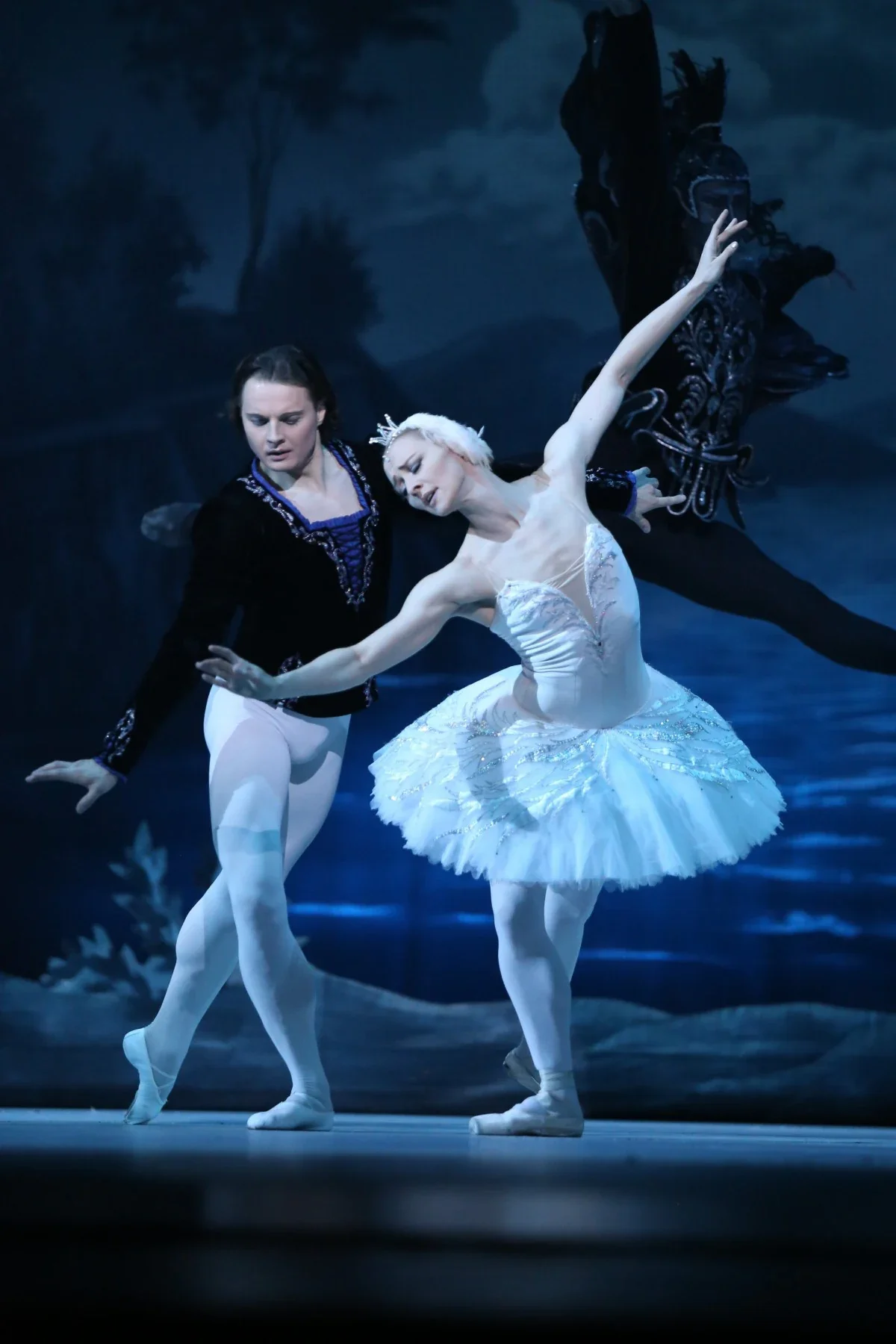
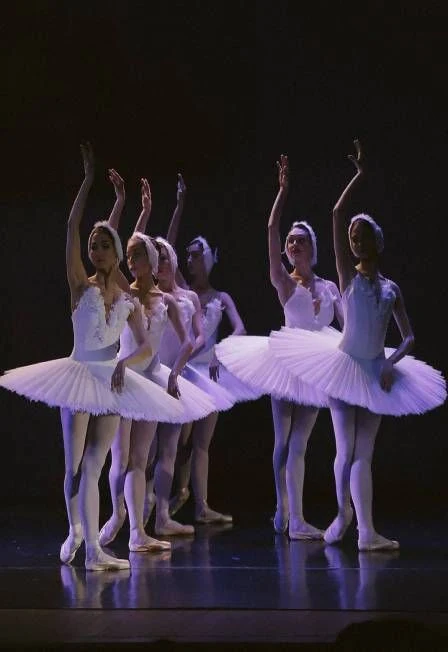
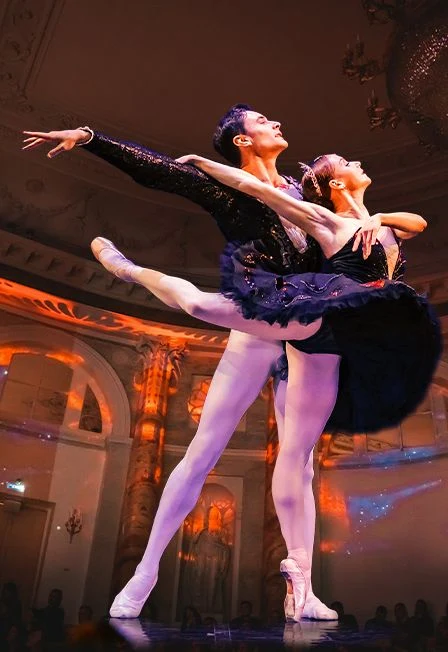

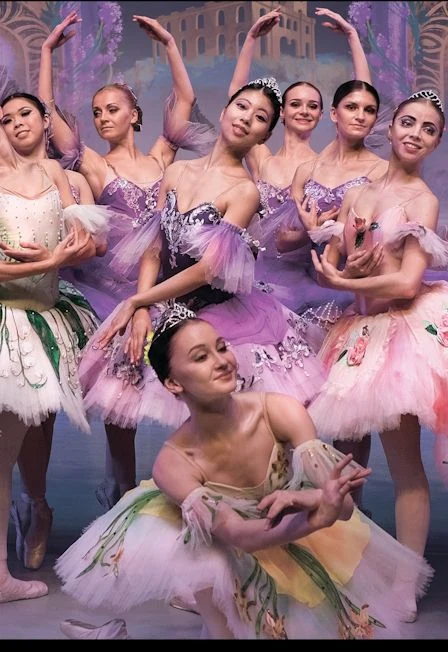

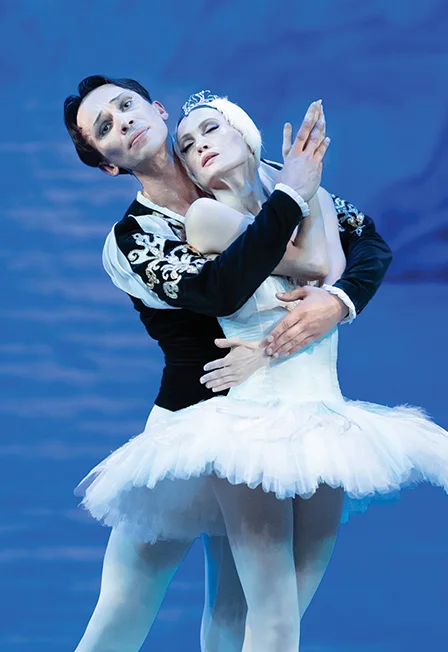
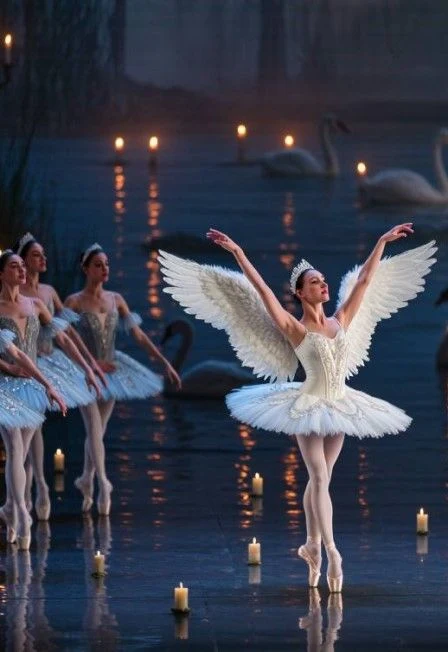
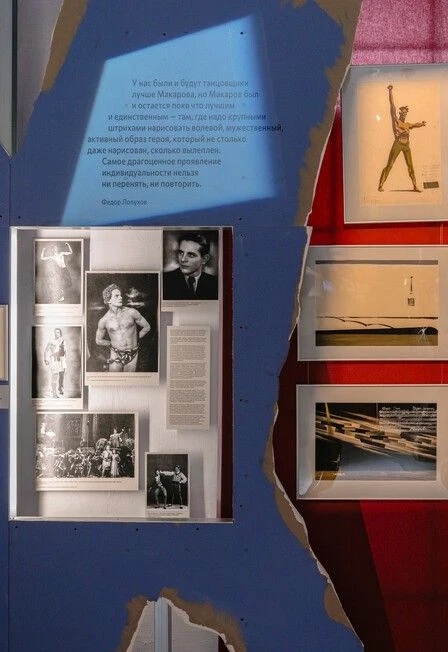

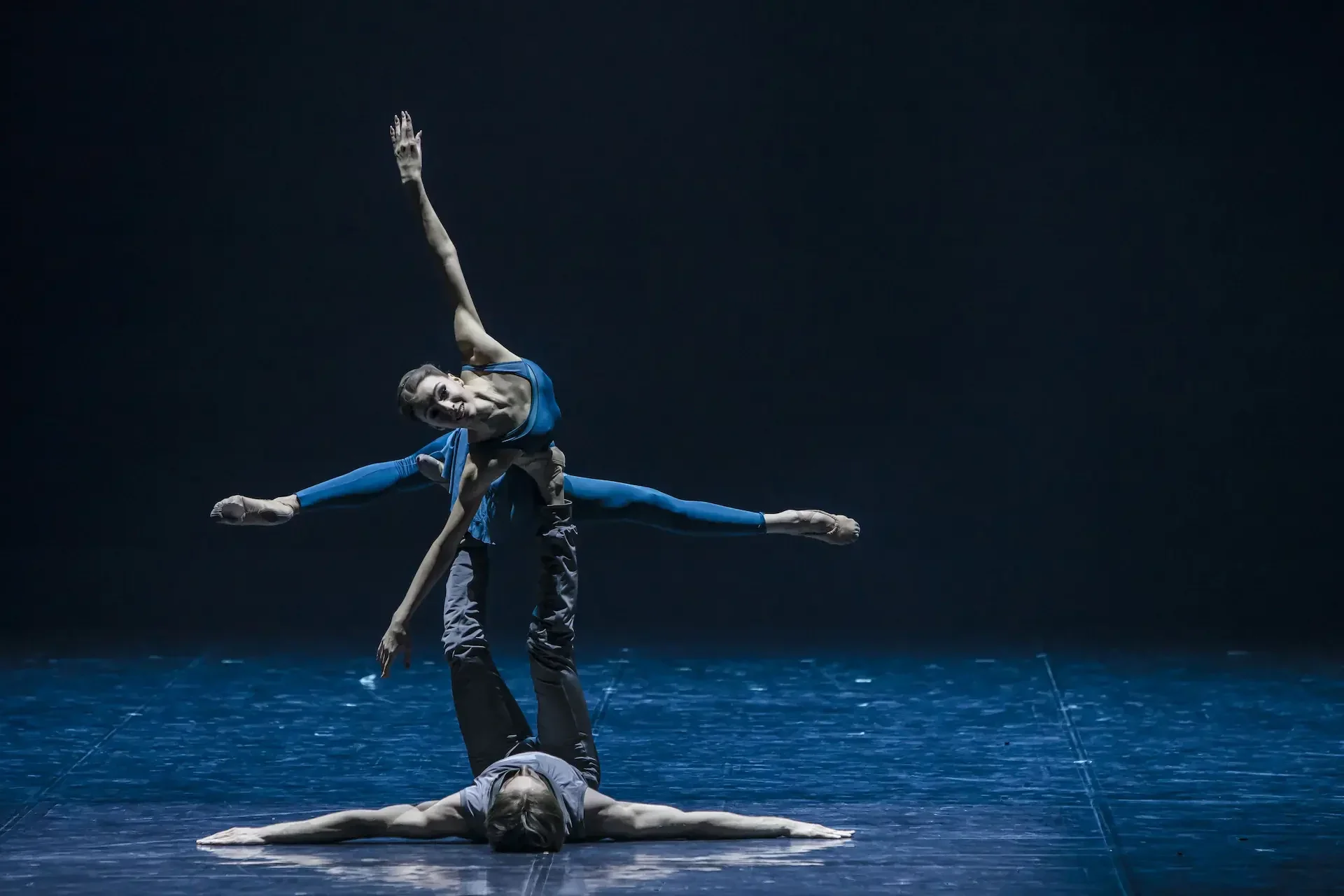


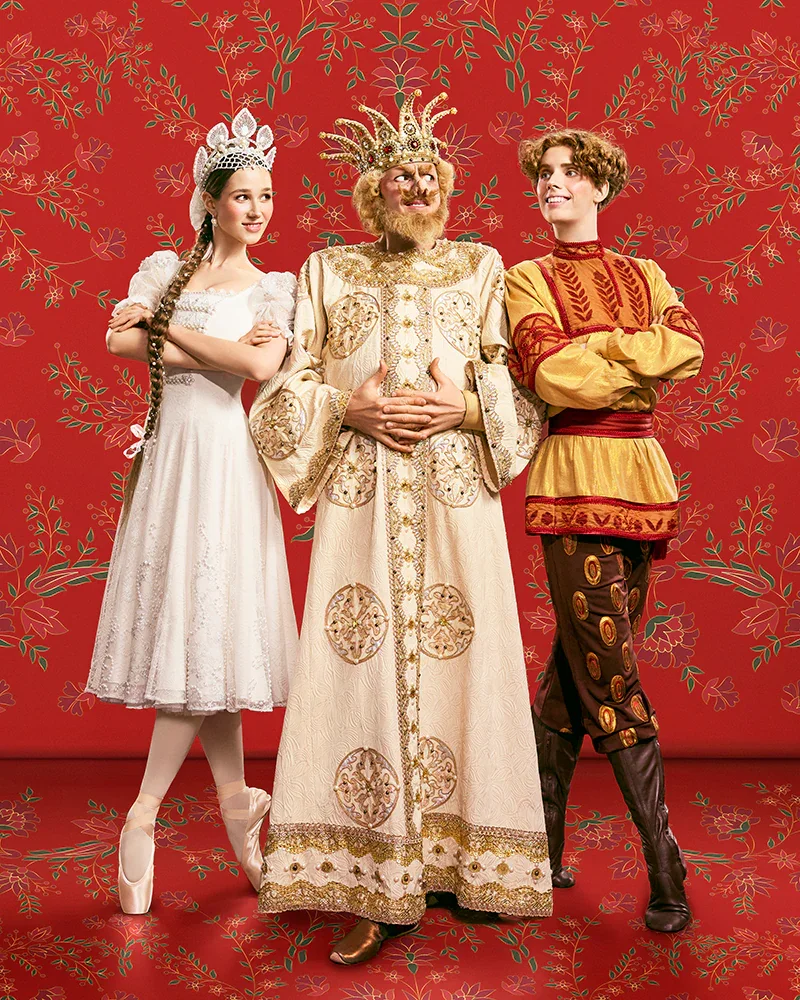
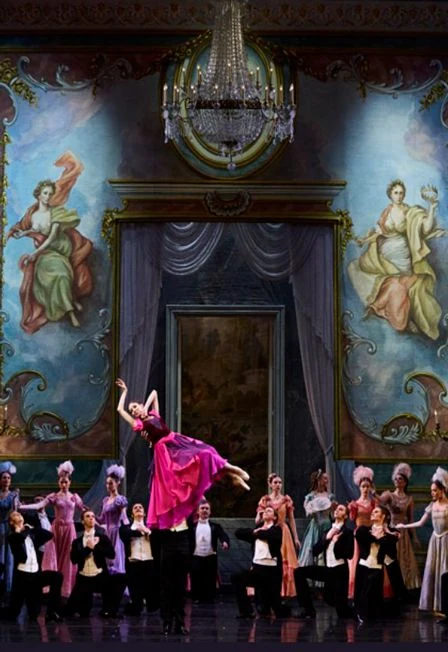
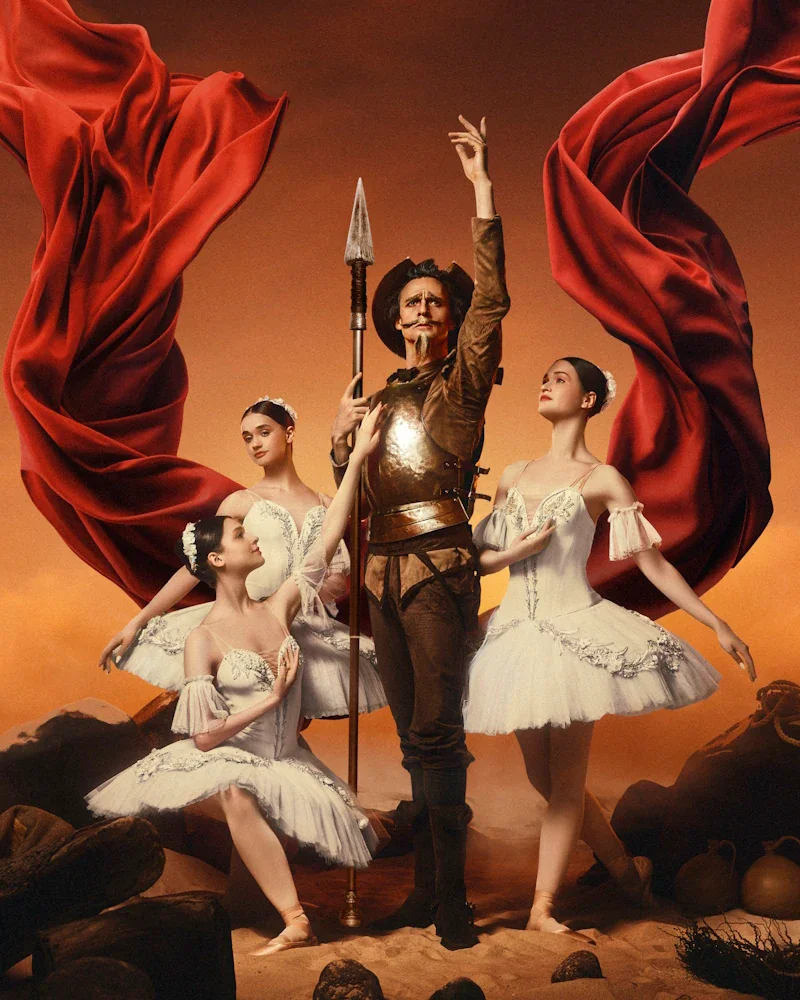
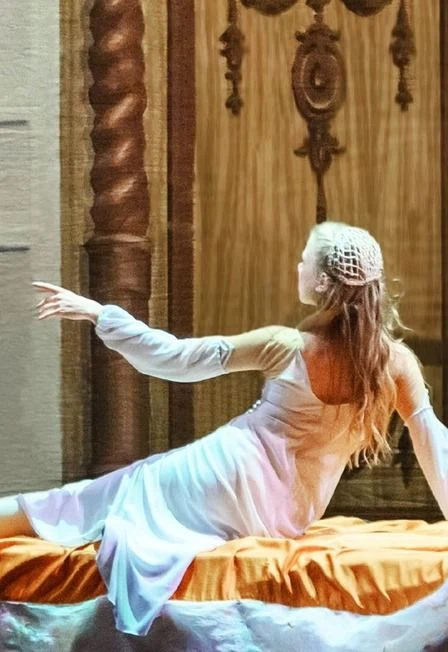

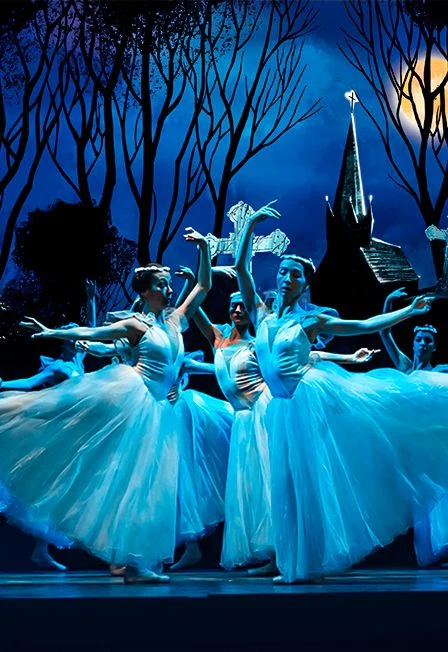

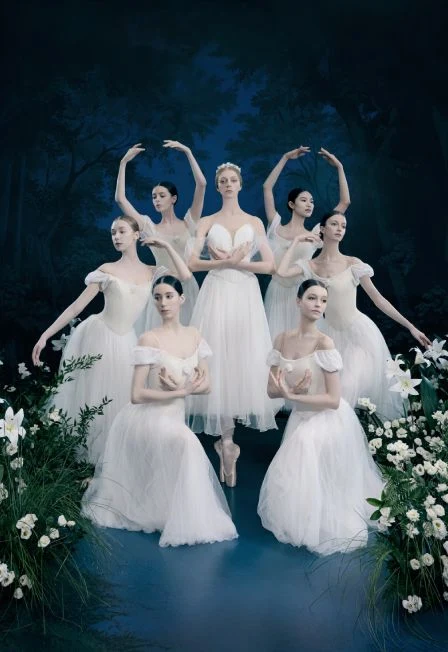
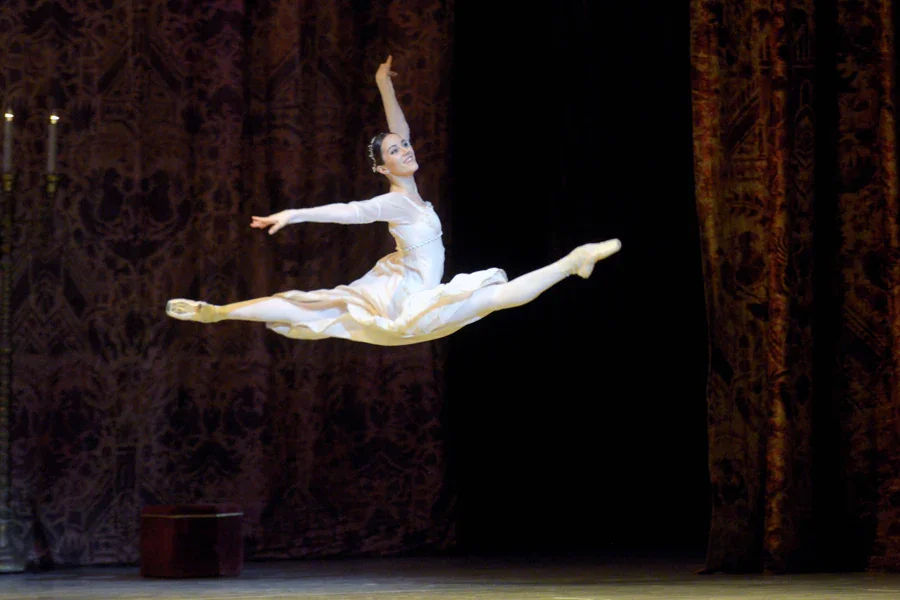
На этой неделе
С детьми
Маркировка 0+ и 6+
До 1 500 ₽
На выходных
St Petersburg cultural programme curated by Bureau Kultury editors. Updated daily — events, venues, prices and tickets in one place.
Saint Petersburg’s ballet calendar covers the classical Mariinsky and Mikhailovsky stages, contemporary dance at independent venues, neoclassical readings and rare projects on ice. The famous Russian school of classical dance lives not only in the repertoire of the big houses but in the work of a new generation of choreographers.
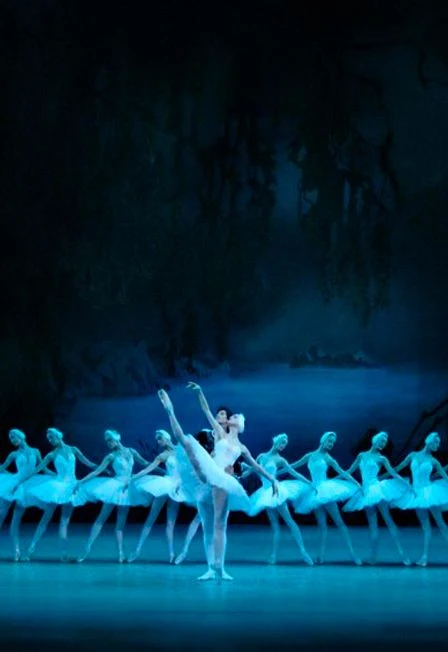
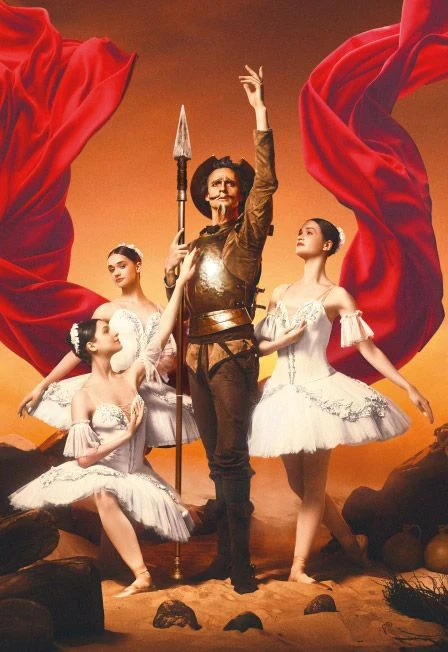
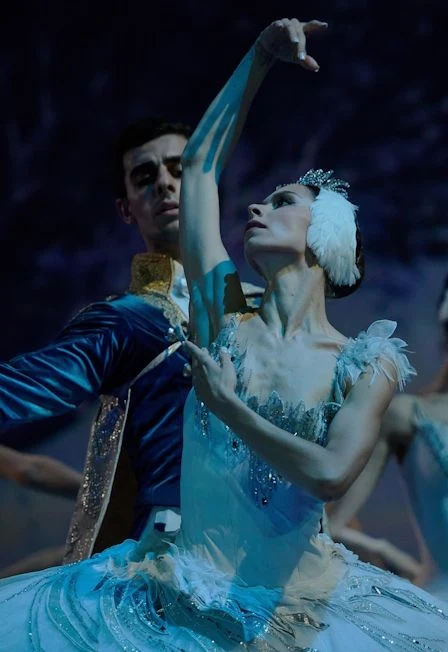
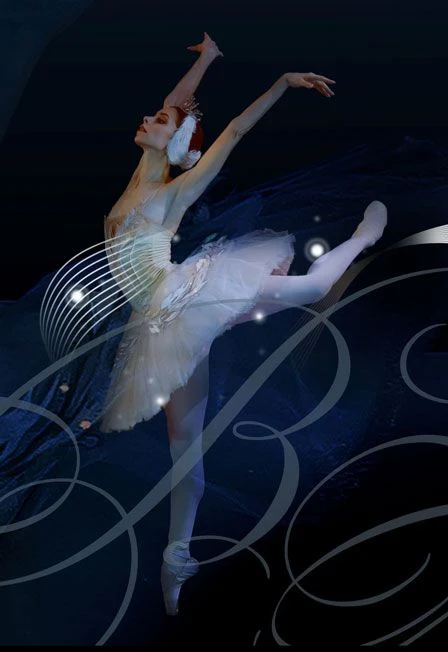
Swan Lake, The Nutcracker, Giselle, The Sleeping Beauty, Don Quixote and La Bayadère are essentials of any Saint Petersburg trip. Tickets for these go 2–3 weeks in advance — book early.
Four main ballet companies in Saint Petersburg — Mariinsky, Mikhailovsky, Eifman and Yakobson
Source: Ministry of Culture registry and theatre websites
Standard grand ballet — 3 acts with 2 intermissions and ~3 hours running time (Swan Lake, Don Quixote)
Source: Scores by P. I. Tchaikovsky and L. Minkus
70 years post-mortem — protection term for a ballet performer's recording under Russian civil law
Source: Civil Code of the Russian Federation, part four, art. 1318
What matters
Classical Russian balletThe Petipa–Vaganova school, born at the Mariinsky Theatre in Saint Petersburg. Canonical productions by Marius Petipa — Swan Lake, The Sleeping Beauty, Raymonda, La Bayadère — have been on the main stage since the late 19th century and are considered the world benchmark.
Neoclassical and contemporary choreographyExtension of the classical vocabulary through 20th–21st-century devices: Balanchine, Forsythe, Ek, and Russian «new choreography». In Saint Petersburg it is most visible at Mikhailovsky and at the Eifman company.
Ballet on iceA Russian hybrid genre — classical ballet productions staged on ice with figure-skating performers. Not to be confused with an ice show: the plot, costumes and score inherit from theatre, not from sport.
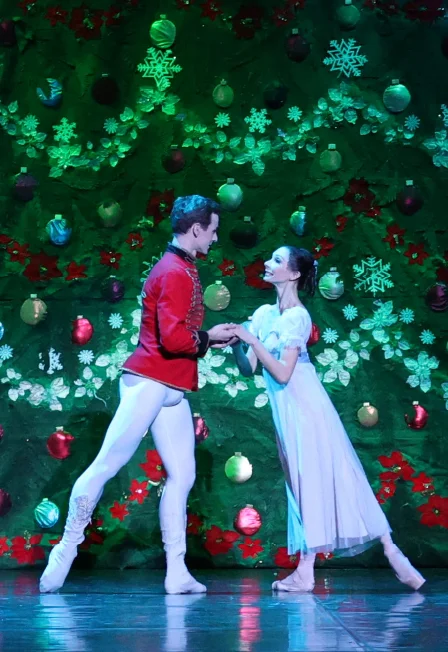
The ballet seasonFormally runs from September to July. December is Nutcracker season (10–15 performances a month at the Mariinsky alone). Book premiere nights 2–3 weeks ahead.
Where to start
Four ballet stages in Saint Petersburg
| Theatre | Repertoire | Halls | What sets it apart |
|---|---|---|---|
| Mariinsky Theatre | Petipa classics — Swan Lake, The Nutcracker, Raymonda, La Bayadère | 3 stages: historic, new (Mariinsky-2), concert hall | Benchmark of the Petipa–Vaganova tradition |
| Mikhailovsky Theatre | Classical + neoclassical — Duato, Ratmansky, Russian choreographers | 1 hall, 870 seats | Strong company and invited European choreographers |
| Eifman Ballet | Contemporary psychological ballet — Anna Karenina, Tchaikovsky | Touring model, plays on different stages | Signature company with worldwide tours |
| Yakobson Ballet | Classics and the Yakobson legacy — miniatures, Spartacus | No own stage; plays on partner venues | Preserves Leonid Yakobson's choreography |
Brief glossary
- Pas de deux
- A duet for two soloists — usually the centrepiece of an act combining technique and emotional dialogue. In classical ballet it consists of an adagio, male and female variations and a coda.
- Corps de ballet
- The ensemble of dancers performing synchronised numbers and framing the soloists. One of the main «instruments» of a ballet — the «snowflakes» in The Nutcracker, the «swans» in Swan Lake.
- Entrechat
- A jump with rapid criss-crossing of extended legs in the air. Considered a hallmark of the male classical part, especially for Albrecht in Giselle.
- Fouetté
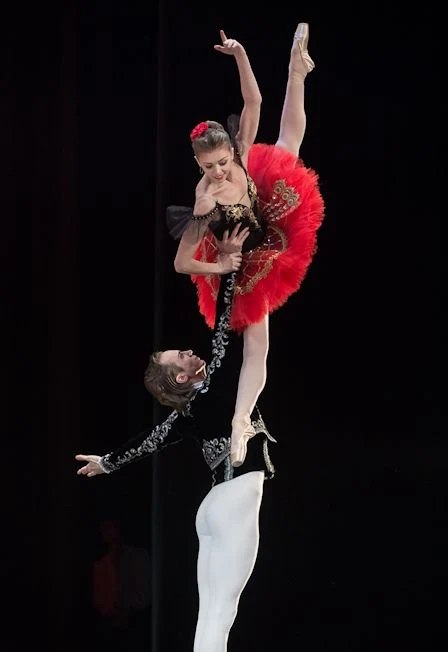
- A turn on one leg with a sharp circular motion of the other. Odile's 32 fouettés in Swan Lake are the main technical test for a ballerina.
- Prima / premier
- The highest rank of female and male soloists in a company. The prima leads central parts; the premier is her partner in a pas de deux.
Related sections
По месяцам
Балет в Санкт-Петербурге — афиша на ближайшие месяцы. Каждая страница обновляется ежедневно.
Бюро Культуры в цифрах
3332+ проверенных площадок Санкт-Петербурга
Источник: Каталог Бюро Культуры
5509+ событий в ближайшие 30 дней
Источник: Афиша Бюро Культуры
1140+ театров и организаторов в каталоге
Источник: Каталог Бюро Культуры
Билеты в продаже от 10 ₽; медианная цена 1 200 ₽
Источник: feed kassir.ru/frame/feed/event